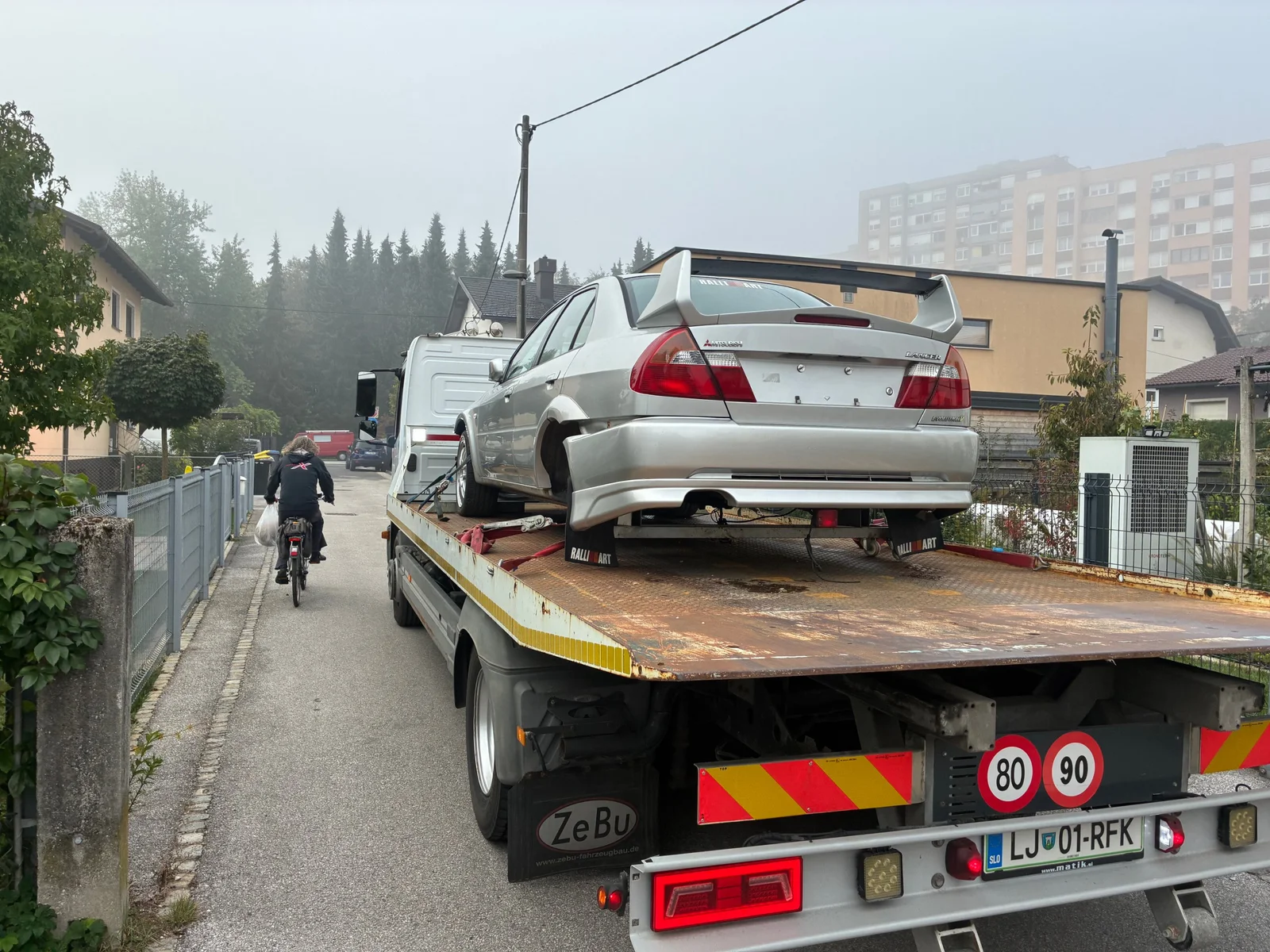
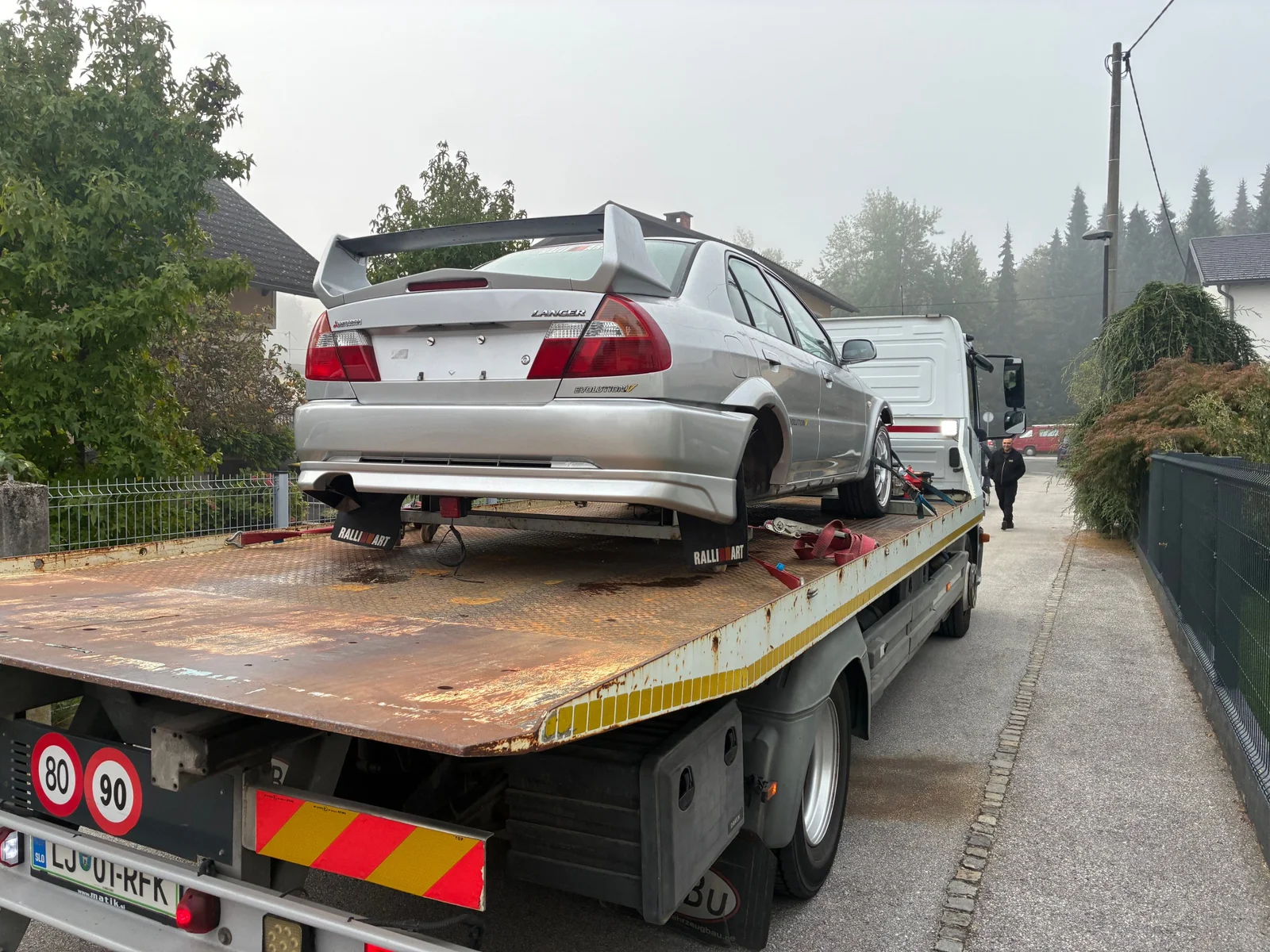
A Mitsubishi Lancer Evolution IV is our new revival project. This is a car with serious rally heritage and a loyal following, so the work will be approached carefully, step by step and with respect for what the model represents.
The project began with safe recovery transport to the workshop. When a performance car has an unknown history or has been off the road for some time, transporting it properly is the smartest first move.
Why is the Mitsubishi Evo IV so special?
The Evo IV is special because it combines rally DNA, all-wheel drive and the legendary turbocharged 4G63T engine. The fourth generation was an important chapter in the Evolution story and helped build the reputation that still follows these cars today.
The goal is not simply to make the car start. The real goal is to assess the vehicle as a complete system: engine, gearbox, drivetrain, suspension, brakes, tyres, electrics and safety items all need to work together.
How do you start reviving a car with an unknown condition?
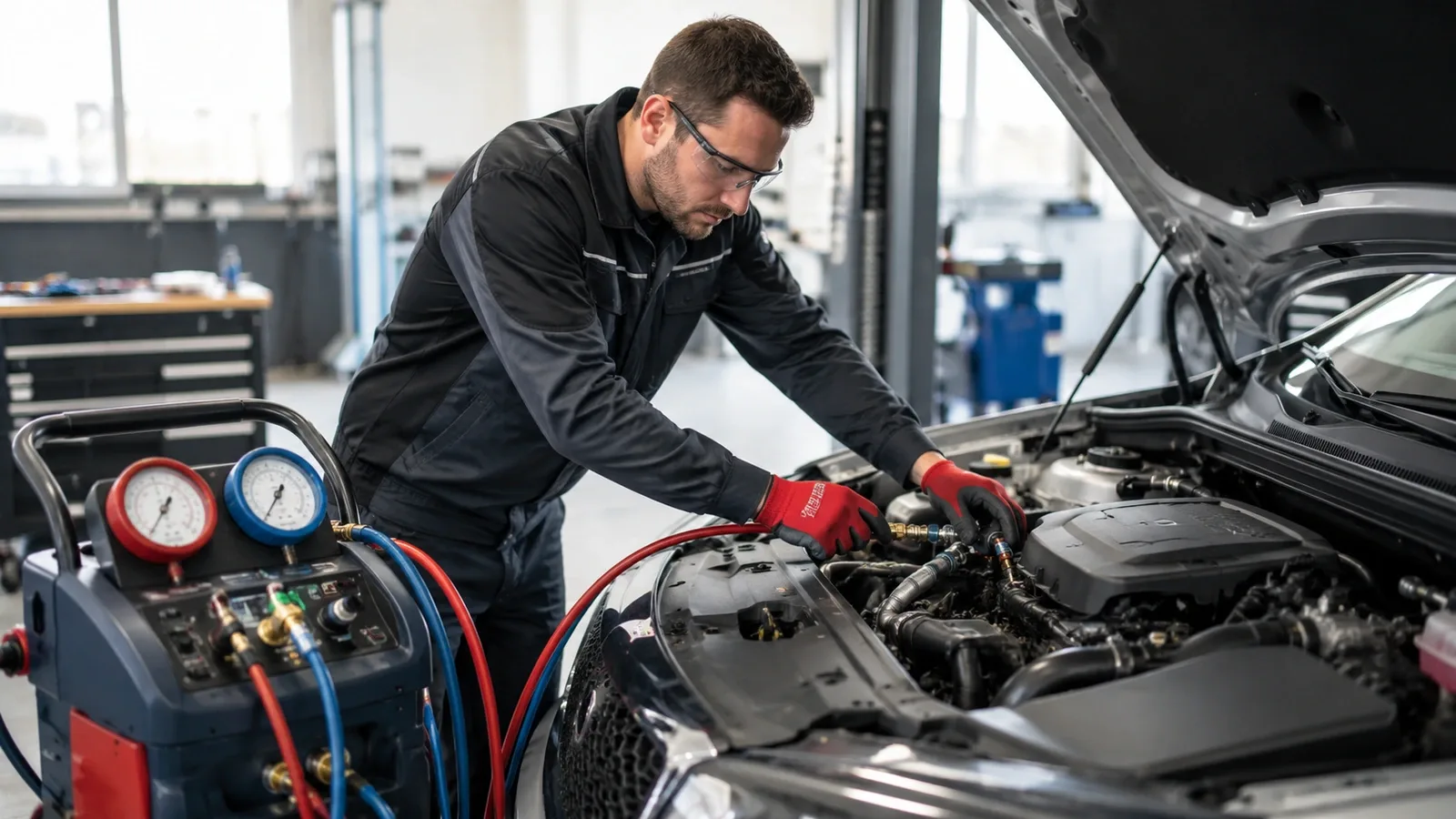
A proper revival starts with diagnostics, not guesswork. At ReFiT we begin by checking the general condition of the vehicle, recording visible damage, inspecting fluids, battery condition, electrical connections, brakes and any signs of leaks.
- visual inspection of the body, chassis and mounting points,
- engine bay inspection, including hoses, belts and seals,
- checking oil, coolant, brake fluid and fuel condition,
- basic electrical diagnostics and power supply checks,
- assessment of tyres, wheels, brakes and suspension.
With older performance cars, patience matters more than speed. Starting the engine too early can create unnecessary damage, so the key systems must be checked before any serious test run.
What will we inspect first on this Evo IV?
We will first inspect the systems that determine safety and reliability. That means the engine, lubrication, cooling, braking system, tyres, suspension and drivetrain.
- Engine and turbo system: checking for leaks, hose condition, intake and exhaust components and the basic health of the engine.
- Drivetrain and gearbox: checking operation, play, fluids and any unusual noises.
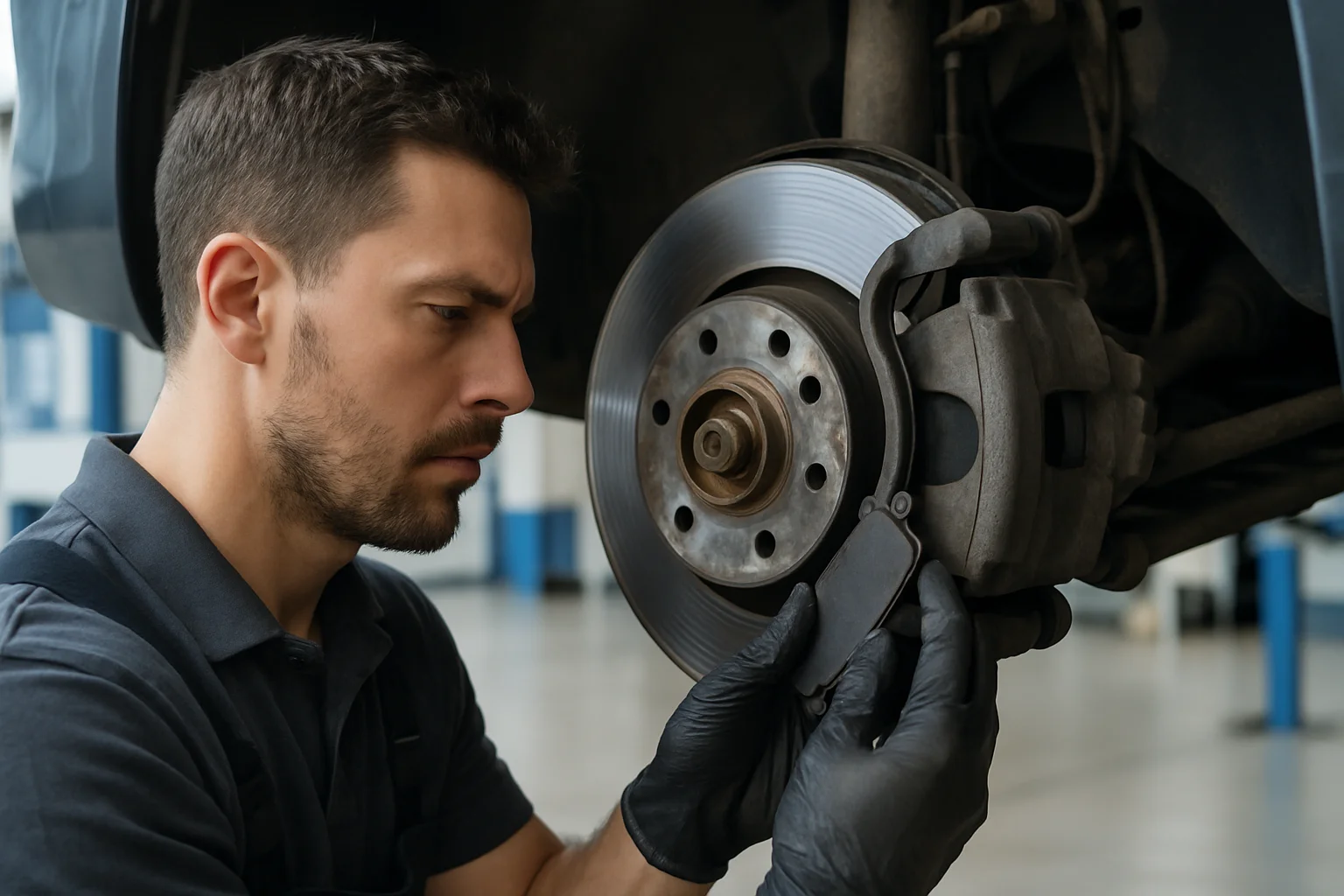
- Brakes: assessing discs, pads, hoses, calipers and brake fluid.
- Tyres: checking age, tread depth, damage and suitability for further testing.
- Chassis and suspension: inspecting arms, bushes, dampers, corrosion and alignment-related components.
The work plan will be based on the car’s actual condition. On projects like this, the best route is a clear priority list: safety and reliability first, performance and finishing details later.
What role does vehicle recovery play in a project like this?
Vehicle recovery is often the safest way to start a revival project. If a car is not roadworthy, not registered or mechanically uncertain, it is better to transport it than risk damage to the engine, drivetrain or brakes.
ReFiT provides recovery transport in addition to servicing cars and light commercial vehicles up to 3.5 t. That means we can collect the vehicle, deliver it safely to the workshop and begin the technical inspection without unnecessary risk.
Special cars do not reward shortcuts. Proper recovery, careful diagnostics and the right repair order make the difference between a quick fix and a quality revival.
Will the Evo IV stay original or be modified?
The final direction will depend on the vehicle’s condition and the owner’s goals. With cars like this, the project can move toward an original-style restoration, a reliable technical refresh or selected performance upgrades.
Our first job is to build a healthy foundation. Only after the engine, brakes, tyres, suspension and electrics are in order does it make sense to discuss upgrades.
What can owners of older performance cars expect from ReFiT?
Owners can expect an honest inspection, a clear plan and structured work. At ReFiT, we do not treat a project as a simple parts swap; we look at the vehicle as a complete system where service, diagnostics, tyres and safety all matter.
If your car needs inspection, service or safe transport, we can help. ReFiT offers servicing for cars and light commercial vehicles up to 3.5 t, tyre services, vehicle recovery and technical preparation for continued use.
Follow the next steps of the Mitsubishi Evo IV project. We will share what the first inspection reveals and how the revival of this Japanese rally icon continues.
Frequently asked questions
- What does reviving a Mitsubishi Evo IV involve?
- It involves a structured inspection and repair process to make the vehicle safe, reliable and technically ready for further work or driving.
- Why was recovery transport used?
- Recovery transport is the safest option when the car’s condition is unknown, it is not roadworthy or driving it could cause further damage.
- What is checked first on an older performance car?
- The first checks usually include fluids, engine condition, brakes, tyres, suspension, electrics and any signs of leaks or damage.
- Does ReFiT service older or special vehicles?
- Yes. ReFiT services cars and light commercial vehicles up to 3.5 t, while special projects are planned according to the vehicle’s condition.
- Does ReFiT also provide tyre services?
- Yes. ReFiT provides tyre inspection, fitting and advice on suitable tyres for the vehicle and its intended use.