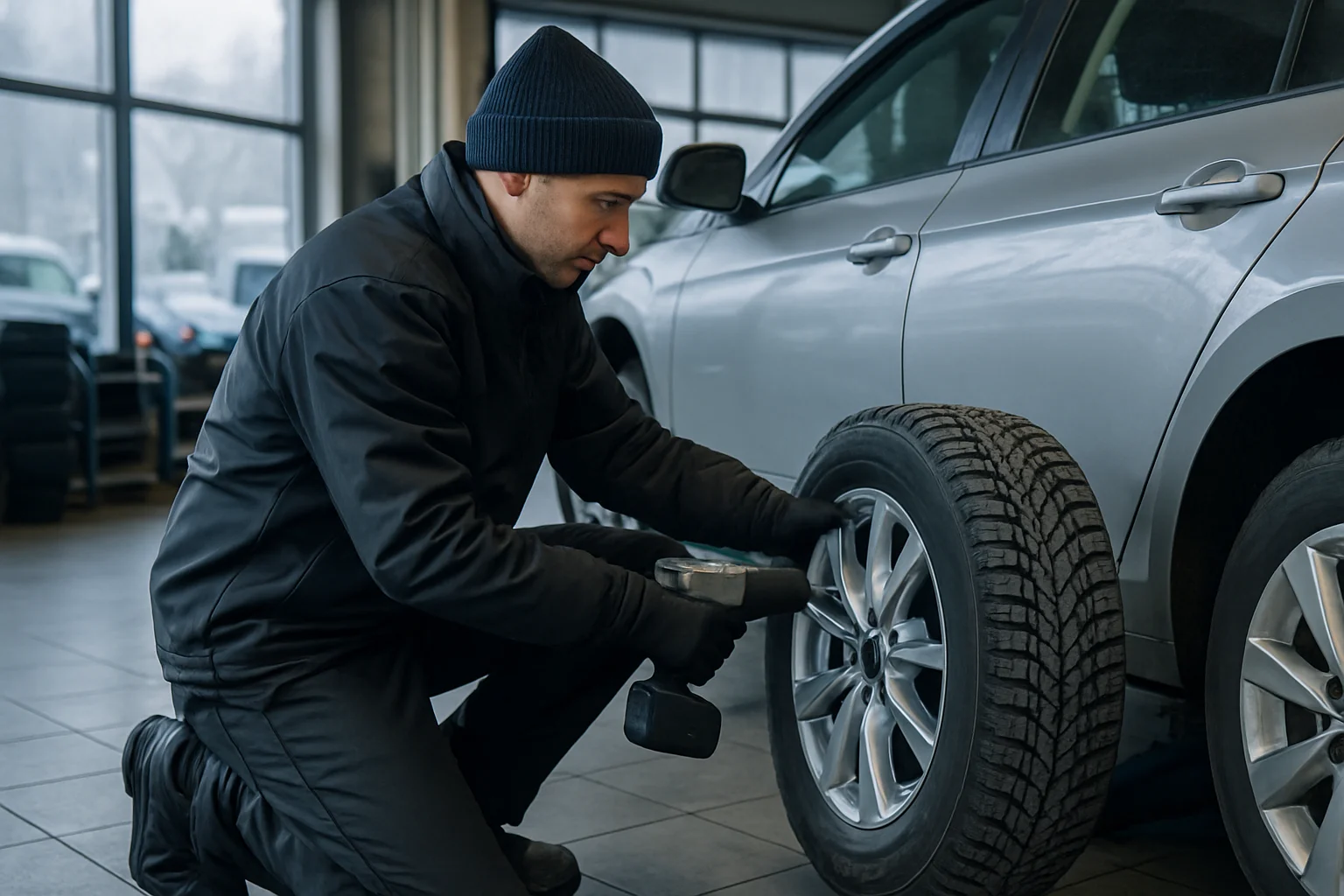
The right time to change to winter tires is when temperatures regularly drop below about 7 °C, and in Slovenia no later than the legal winter equipment date of 15 November. In real life, it is best to book your tire change in late October or early November, before the first cold snap creates long waiting times at tire shops.
When are winter tires mandatory in Slovenia?
Winter equipment is mandatory in Slovenia from 15 November to 15 March. It is also required outside this period whenever winter road conditions are present, such as snow, ice, slush or a snow-covered road surface.
The legal date is a minimum requirement, not always the best moment to change tires. If you drive early in the morning, on regional roads, in hilly areas or on longer business routes, changing earlier is often the safer choice.
Why does the 7 °C rule matter?
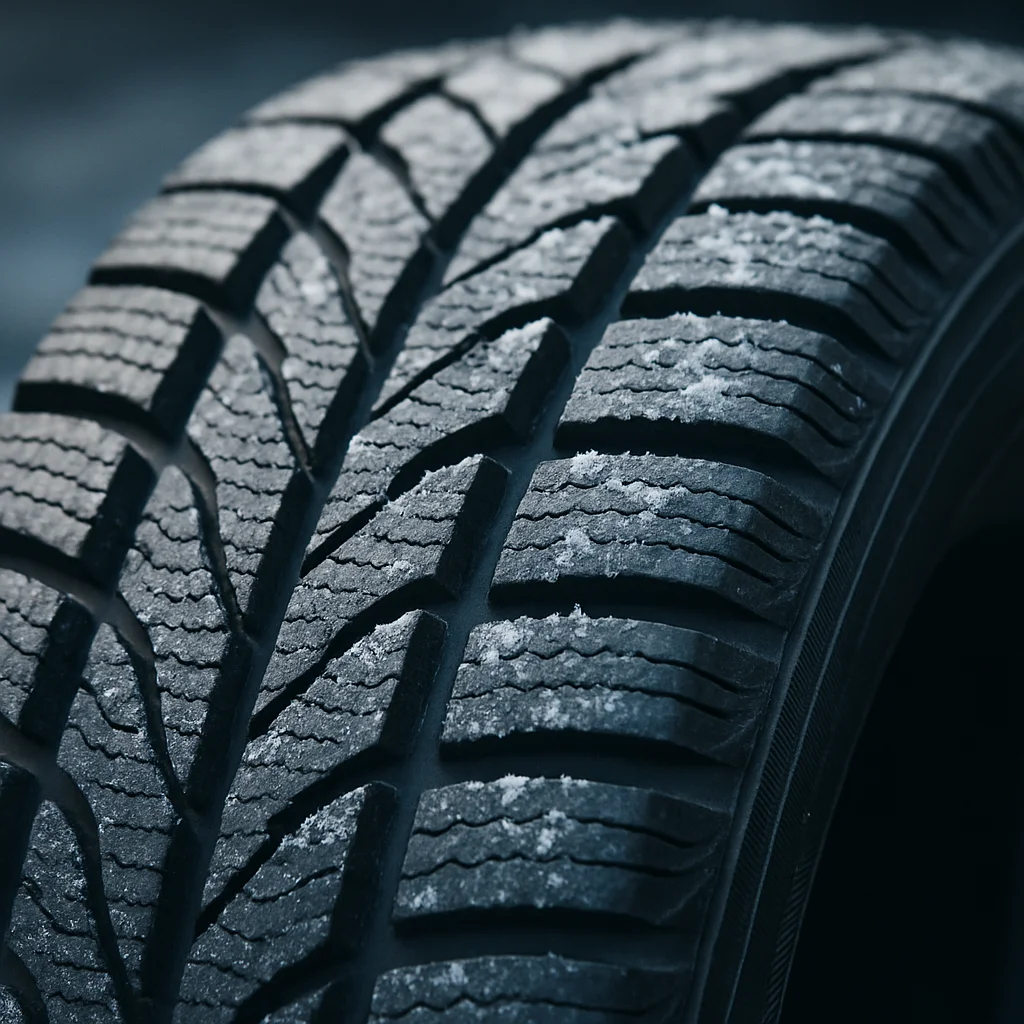
The 7 °C rule is a useful practical guide because winter tires are designed to perform better in cold weather. Their rubber compound stays more flexible at low temperatures, improving grip when braking, accelerating and cornering.
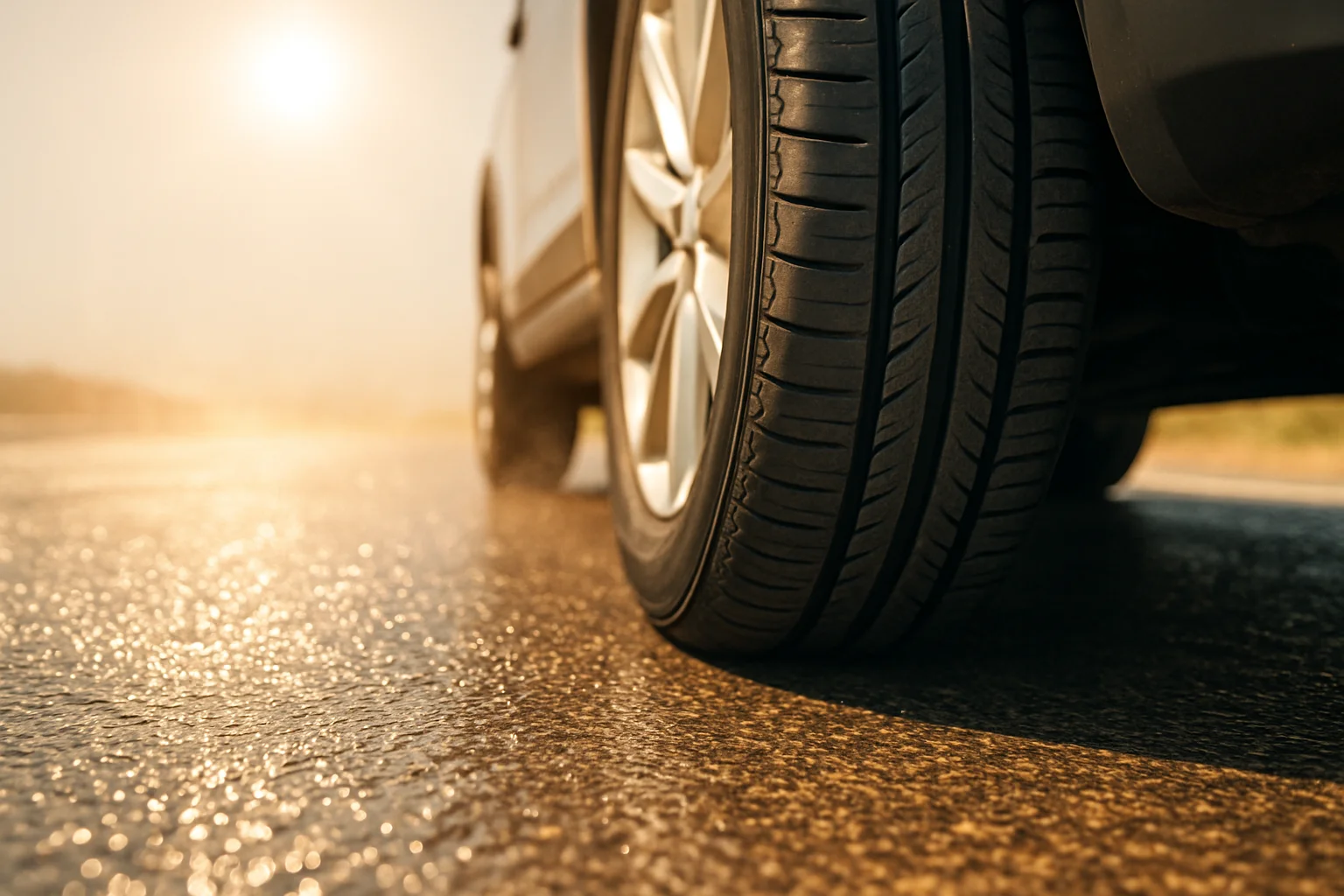
Summer tires harden in cold conditions and lose part of their grip. Even without snow, wet and cold roads can increase braking distance and reduce vehicle control.
When should you switch back to summer tires?
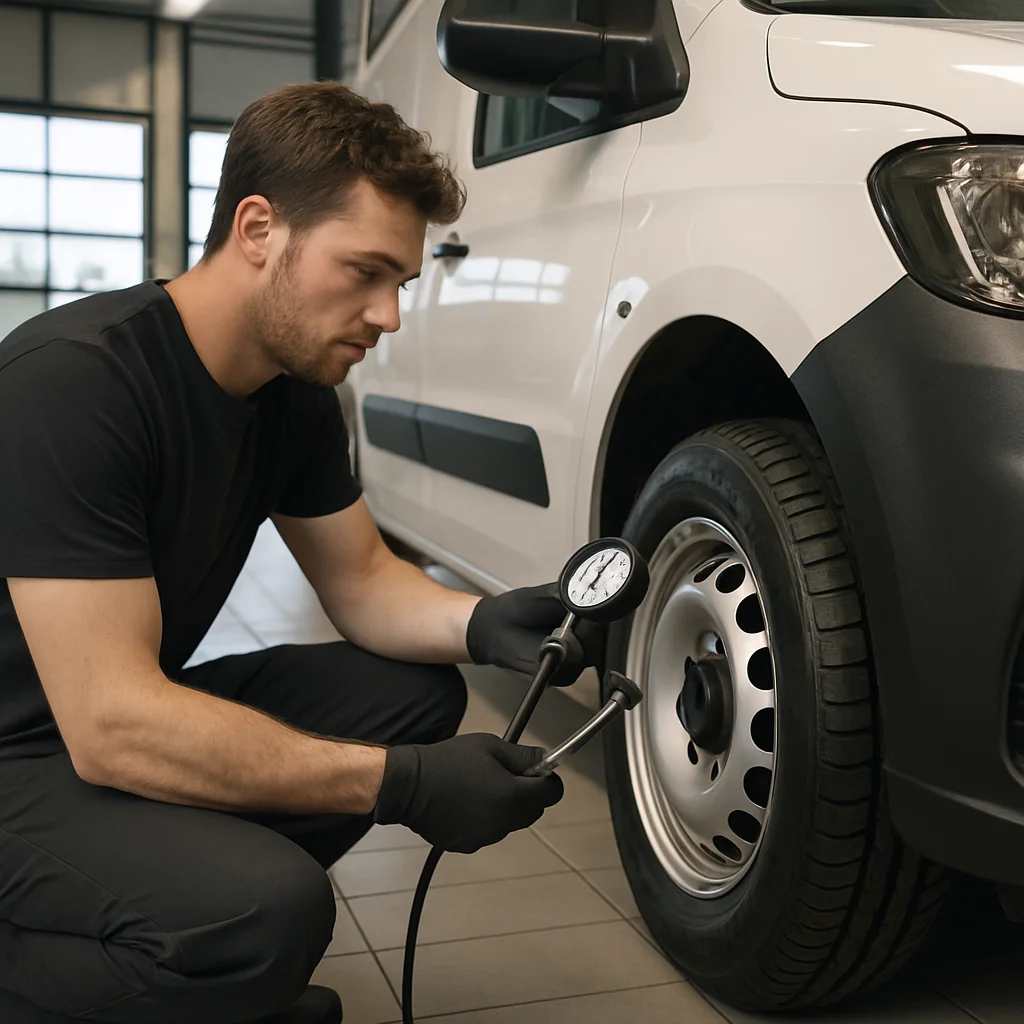
You should switch back to summer tires when temperatures are consistently above about 7 °C and there is no forecast of snow or ice. Although the mandatory winter equipment period ends on 15 March, changing tires exactly on that date is not always the safest option.
Changing too early can reduce grip during cold mornings. On the other hand, driving on winter tires for too long in warm weather causes faster wear, higher fuel consumption and less precise handling.
How do you know if your winter tires are still safe?
Safe winter tires need enough tread depth, even wear and no visible damage. In Slovenia, winter tires must have at least 3 mm of tread depth, but for demanding driving it is wise to replace them before they reach the legal minimum.
- Tread depth: less tread means poorer water, snow and slush evacuation.
- Tire age: even tires with enough tread can harden over time and lose grip.
- Uneven wear: this can indicate incorrect wheel alignment, pressure issues or suspension problems.
- Cracks, bulges or cuts: these should be checked by a professional as soon as possible.
Why use a professional tire service?
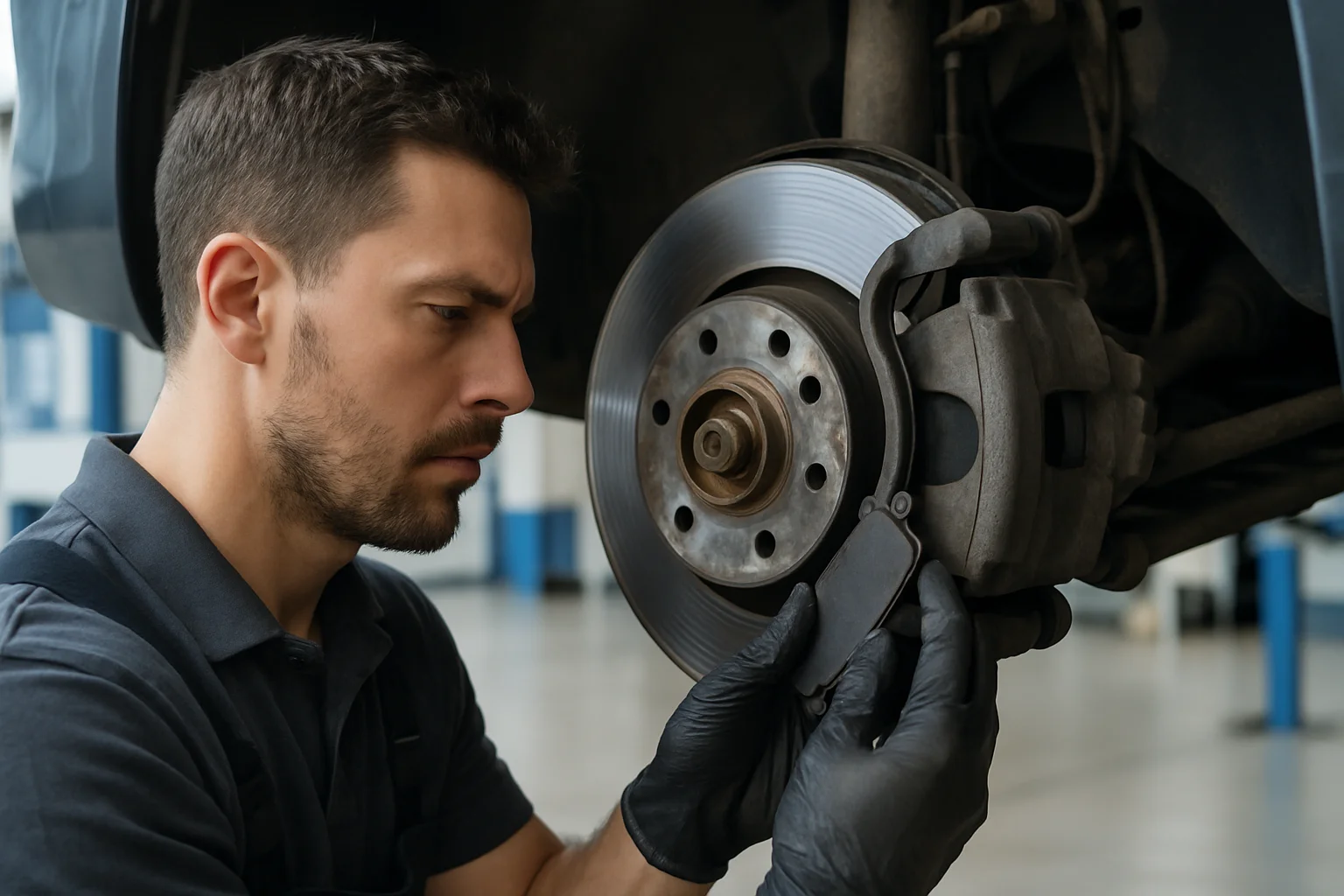
A professional tire change is not just about swapping wheels; it is also a safety check. A tire technician checks the condition of the tires, valves, pressure and possible damage, and balances the wheels when needed to reduce vibrations and uneven wear.
At ReFiT in Ljubljana, you can arrange tire changes, tire inspections and advice for cars and light commercial vehicles up to 3.5 t. This is especially useful for drivers who depend on their vehicle every day for work, deliveries or family transport.
How can you avoid the seasonal rush?
The easiest way to avoid waiting times is to book before the weather forecast announces the first snow. Once temperatures suddenly drop, demand for tire services rises quickly.
- Check the condition of your winter tires in early autumn.
- If they are worn, order replacement tires in time.
- Book your tire change in late October or early November.
- In spring, follow the weather forecast rather than changing only by calendar date.
The best time to change to winter tires is not the first snowy morning, but the start of the cold season. This gives you safer driving, less stress and more flexibility when booking a tire service.
What is the key takeaway?
Fit winter tires before 15 November or as soon as temperatures often fall below 7 °C. In spring, change to summer tires when the weather is reliably warmer and winter conditions are no longer expected.
If you are unsure whether your tires are still suitable, a professional inspection is the safest next step. ReFiT in Ljubljana can help with tire changes, tire checks and choosing the right tires for safe driving throughout the year.
Frequently asked questions
- When are winter tires required in Slovenia?
- Winter equipment is mandatory from 15 November to 15 March, and also outside this period whenever winter road conditions occur.
- Do I have to change tires exactly on 15 November?
- Not necessarily. If temperatures regularly fall below about 7 °C or winter conditions are forecast earlier, changing before that date is recommended.
- When can I switch from winter tires to summer tires?
- You can switch when temperatures are consistently above about 7 °C and there is no forecast of snow, ice or very cold mornings that could affect grip.
- What is the minimum tread depth for winter tires in Slovenia?
- Winter tires in Slovenia must have at least 3 mm of tread depth. Regular checks are recommended for better safety.
- Why do winter tires wear faster in summer?
- Their rubber compound is designed for low temperatures. In warm weather it becomes softer, which increases wear and can reduce handling precision.