Brake pads should be replaced as soon as they show excessive wear or braking performance changes. Brakes are one of the most important safety systems in any vehicle, so delaying service is never a good idea. At ReFiT in Ljubljana, we recommend checking the brakes during regular servicing, during tyre changes and whenever the vehicle feels or sounds different under braking.
What are the most common signs of worn brake pads?
The most common signs are squealing, grinding, vibration, longer stopping distance and a brake warning light. These symptoms can appear gradually, which is why many drivers get used to them before realising there is a problem. If the noise or vibration repeats, the brake system should be inspected.
- Squealing when braking: often means the wear indicator is touching the disc or the pads are already very thin.
- Metallic grinding: may mean the friction material is gone and metal is rubbing against the brake disc.
- Vibration through the pedal or steering wheel: often points to uneven pad or disc wear.
- Longer stopping distance: is a serious safety warning, especially in rain, snow or a loaded vehicle.
- The vehicle pulls to one side: this can indicate uneven braking force between the left and right side.
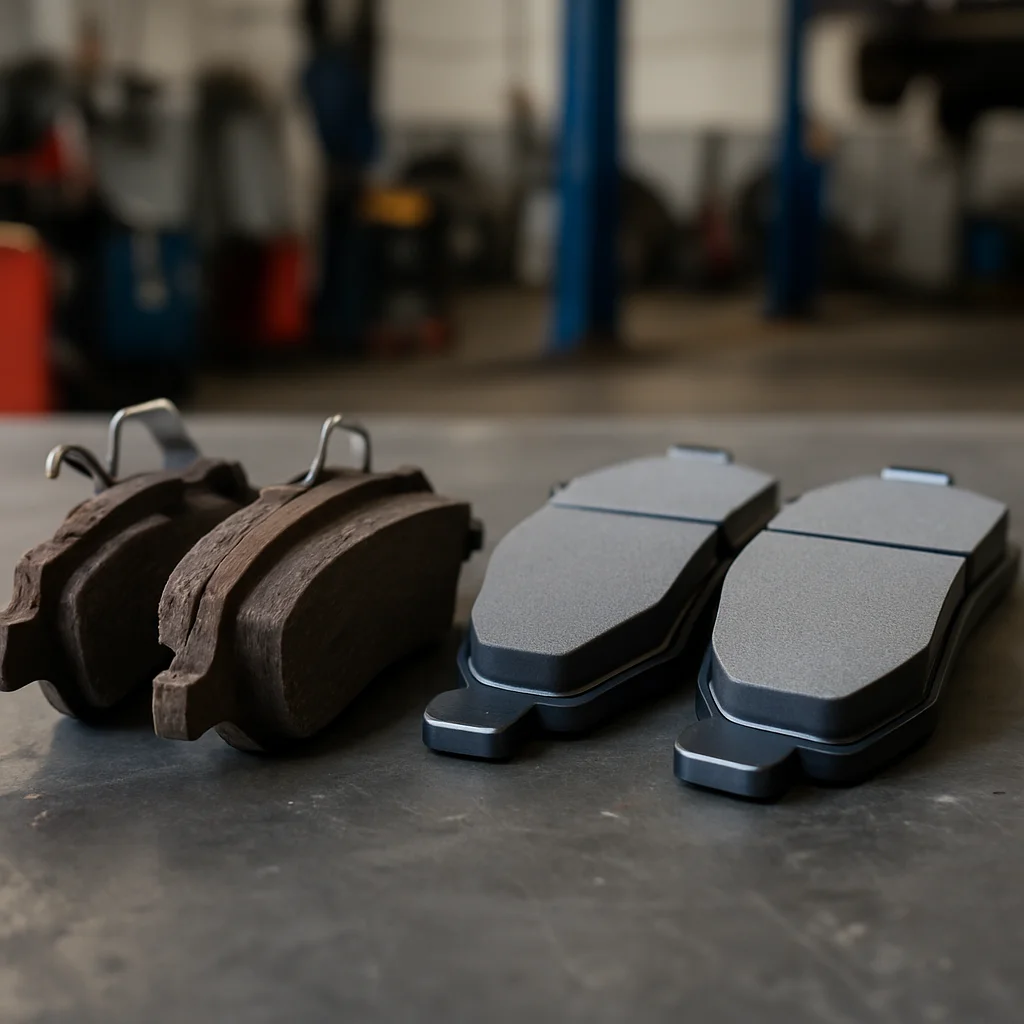
At what thickness should brake pads be replaced?
Brake pads are usually recommended for replacement when the friction material reaches about 3 mm or less. New pads have considerably more material, but the exact wear limit depends on the vehicle, pad type and manufacturer recommendations. Once the pad material becomes too thin, heat builds up faster and braking performance can drop.
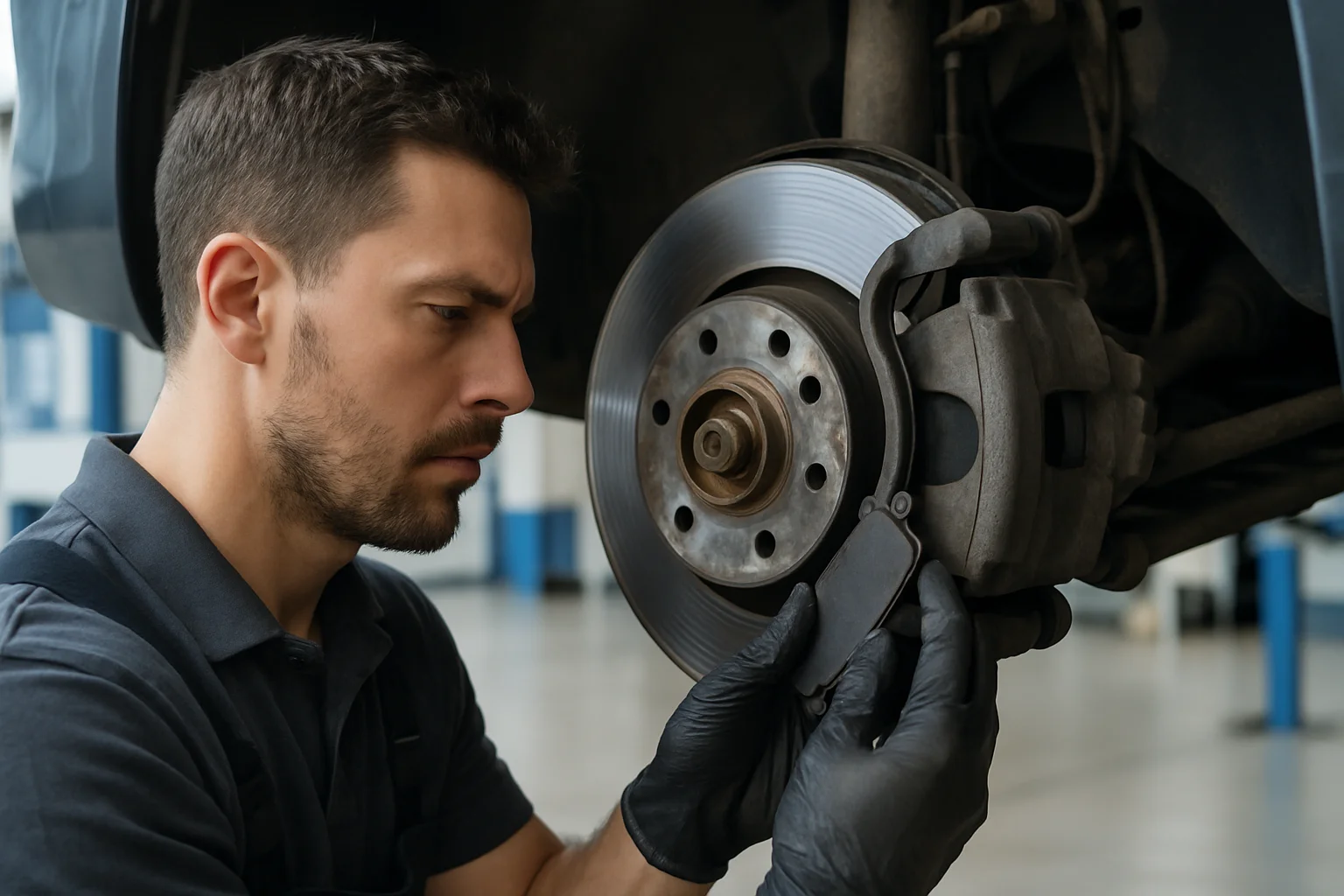
A simple safety rule: if you are unsure how much material is left, have the brakes inspected by a technician. A visual check can also reveal the condition of the brake discs, sliders and calipers.
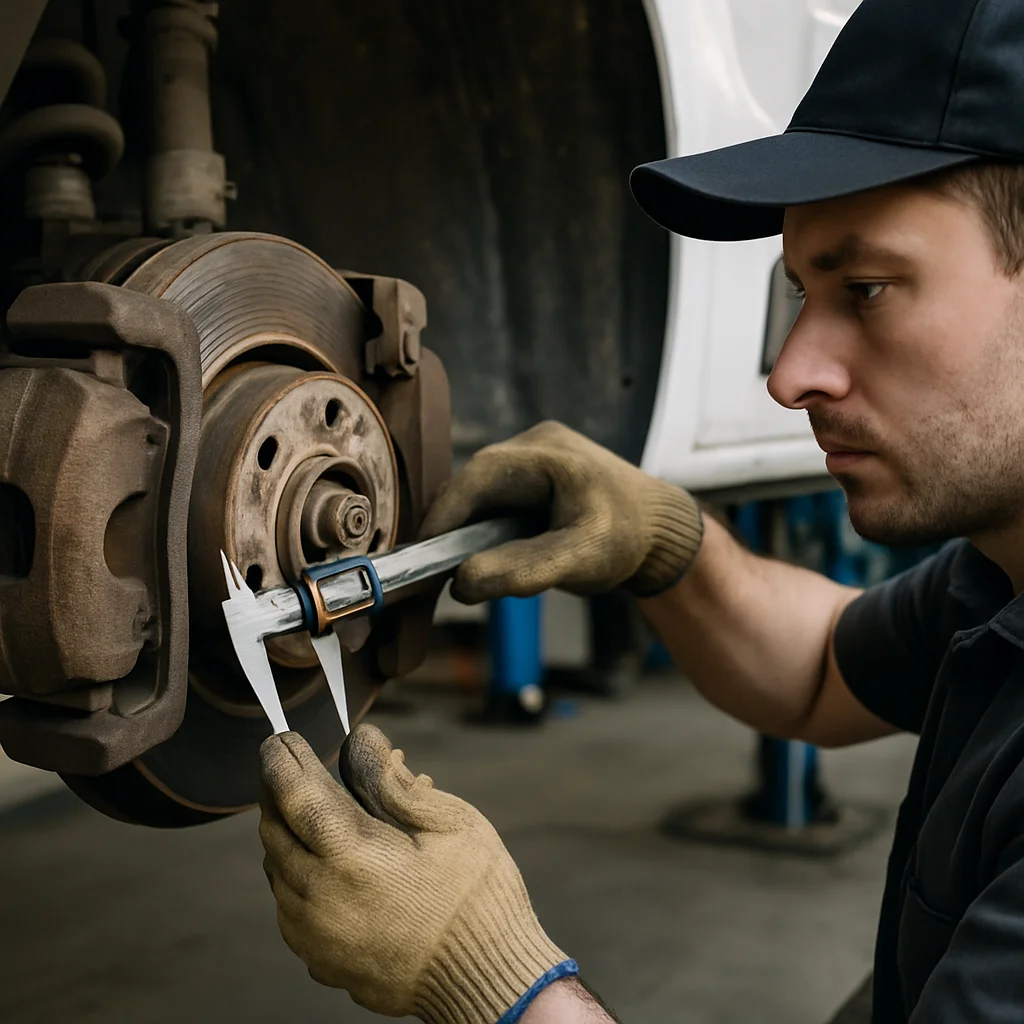
How many kilometres do brake pads usually last?
Brake pads on many passenger cars last roughly 30,000 to 70,000 kilometres, but there is no single interval for every driver. Frequent city driving, hills, heavier loads and a more dynamic driving style can all make pads wear much faster. Light commercial vehicles up to 3.5 t and company vehicles often need more frequent checks because they work harder.
Front brake pads usually wear faster than rear pads. During braking, vehicle weight shifts forward, so the front brakes do more work. However, the whole braking system should always be checked, because uneven wear can also be caused by sticking sliders, damaged discs or caliper issues.
Why should you not delay brake pad replacement?
Delaying replacement can damage the brake discs and significantly increase repair costs. Once the pad material is worn away, the metal backing plate can grind into the disc, causing deep grooves, overheating and poor braking. In the worst case, the vehicle may not stop safely in time.
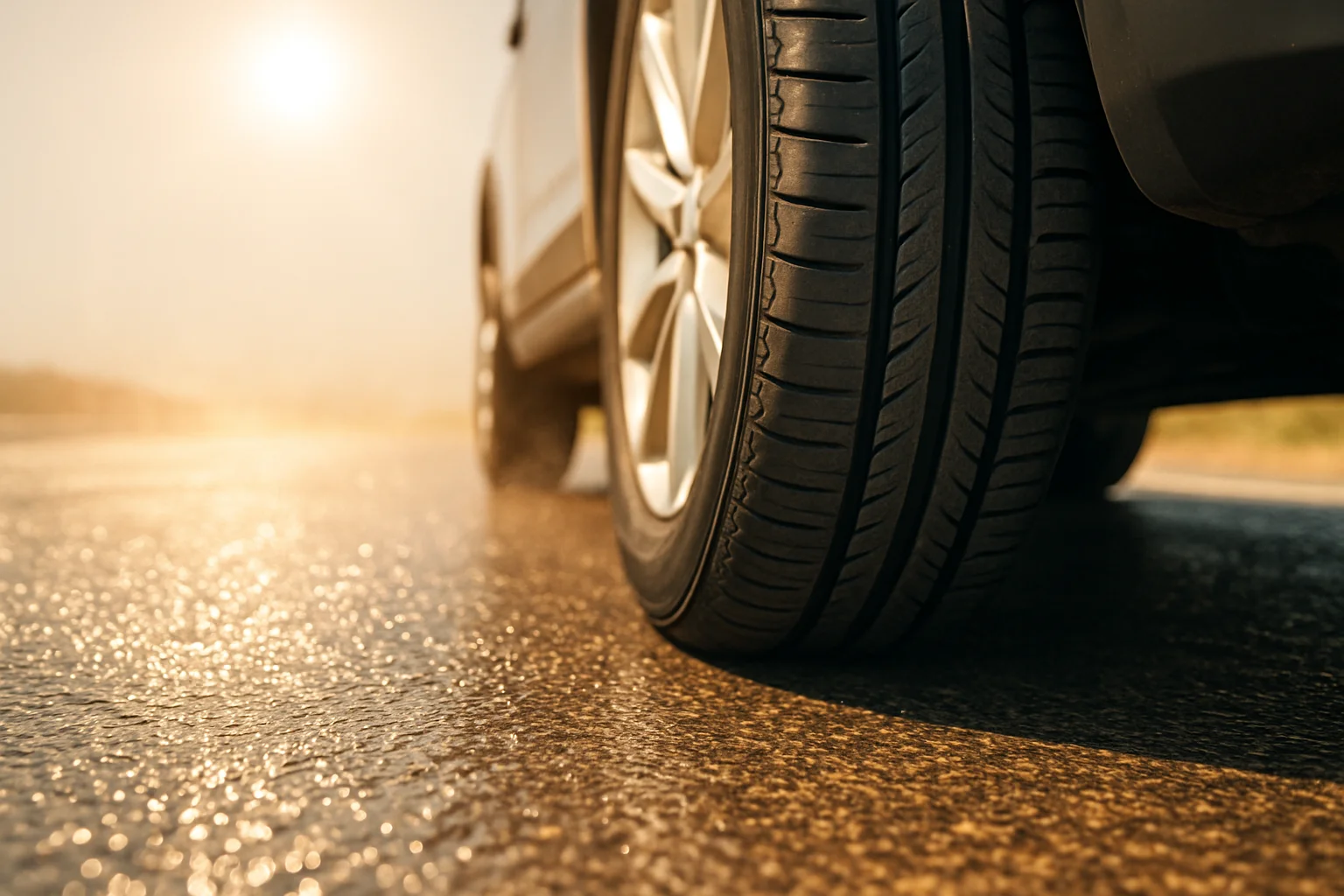
Worn brakes are particularly dangerous when grip is reduced. Rain, snow, ice, poor tyres or a loaded vehicle all increase stopping distance. That is why it makes sense to check brakes together with tyre condition, as both directly affect road safety.
Do brake discs need to be replaced too?
Brake discs do not need to be replaced every time the pads are changed, but they should always be inspected. If the discs are too thin, warped, heavily corroded or deeply scored, new pads alone will not solve the problem. New pads fitted to poor discs may wear quickly and braking may remain uneven.
What does a technician check during a brake inspection?
A technician checks pad thickness, disc condition, wear pattern, brake fluid and caliper operation. A proper brake service also includes cleaning contact surfaces and sliders, because poor caliper movement can cause rapid and uneven wear.
What should you do after replacing brake pads?
After brake pad replacement, it is best to brake gently for the first few hundred kilometres. New pads need time to bed in against the brake discs, so avoid unnecessary hard braking unless it is an emergency. Proper bedding-in improves contact between pad and disc and can help extend brake life.
When should you book a brake inspection with ReFiT?
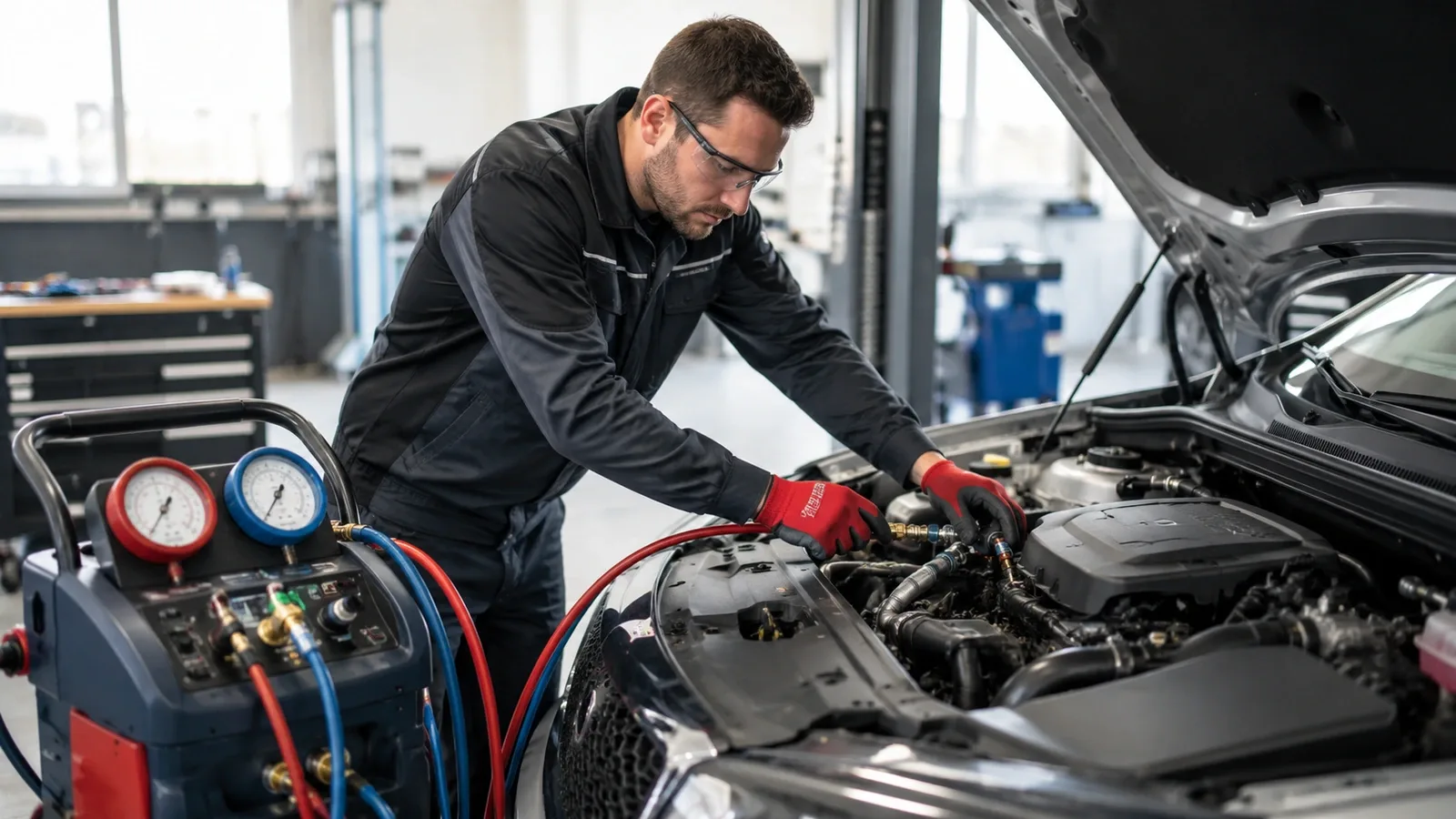
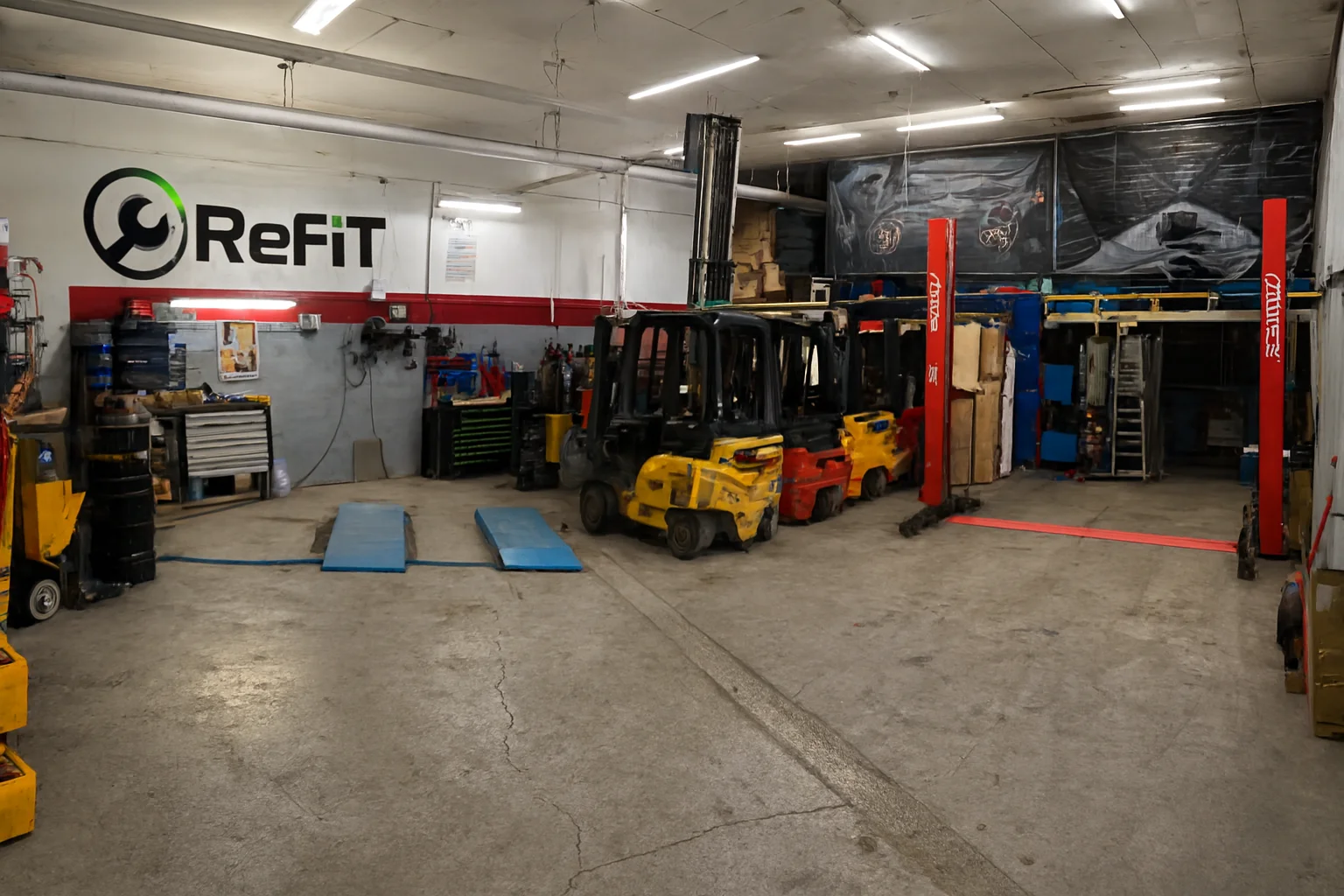
Book a brake inspection as soon as you notice noise, vibration, a warning light or a change in pedal feel. ReFiT d.o.o. in Ljubljana services passenger cars and light commercial vehicles up to 3.5 t, provides tyre services and supports both private customers and businesses. For company fleets, scheduled brake checks help reduce downtime, unexpected costs and safety risks for employees.
Frequently asked questions
- How do I know my brake pads need replacing?
- Common signs include squealing, metallic grinding, vibration when braking, longer stopping distance, a brake warning light or uneven braking feel.
- What is the minimum thickness for brake pads?
- Replacement is usually recommended at around 3 mm of friction material or less, although the exact limit depends on the vehicle and manufacturer guidance.
- Should brake pads be replaced in pairs?
- Yes. Brake pads are normally replaced in pairs on the same axle, either both front or both rear sides, to keep braking balanced.
- Do I need new brake discs with new pads?
- Not always. Discs should be inspected and replaced if they are too thin, damaged, warped, heavily corroded or deeply scored.
- How often should brakes be checked?
- Brakes should be checked during regular servicing, at seasonal tyre changes and immediately if you notice unusual noise, vibration or reduced braking performance.